
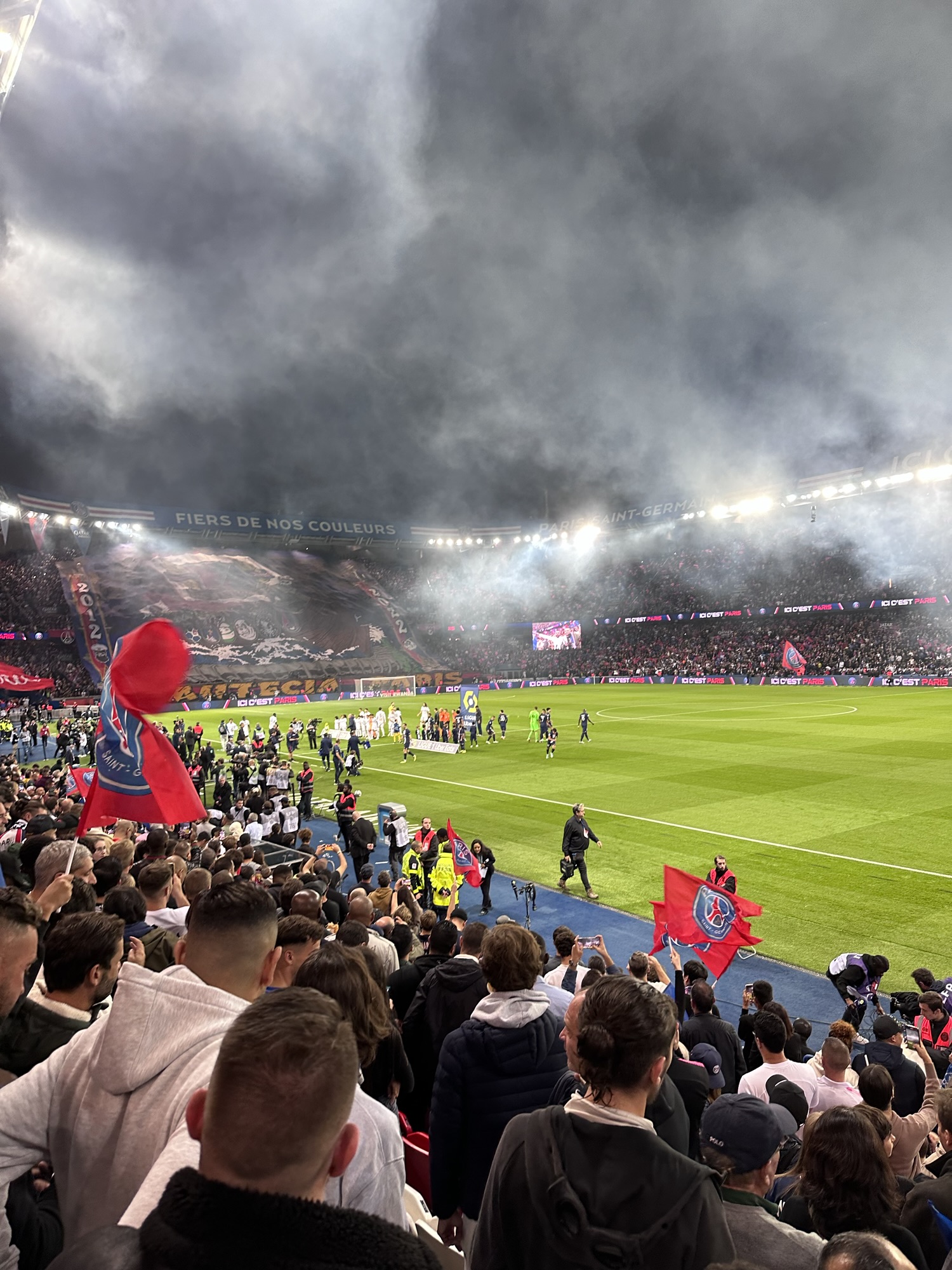

Lilongwe is alive on the night of the World Cup final. The city hums like an orchestra before a grand performance: streetlights glowing over jacaranda-lined avenues, market stalls spilling out laughter and roasted maize, and a sky that feels charged with possibility. Kamuzu Stadium, wrapped in the gentle bend of the Lilongwe River, is a pulsing bowl of color and noise. Flags of Benin and Ivory Coast paint the stands in red, yellow, orange, and green, while drums and vuvuzelas merge into a single, breathless rhythm.
On the pitch, some of Africa’s finest players take their positions, Sébastien Haller prowling the box, Wilfried Zaha and Amad Diallo drifting wide and dangerous, Franck Kessié and Ibrahim Sangaré tightening their grip on midfield for Ivory Coast, while Olivier Verdon and Yohan Roche marshal Benin’s defense in front of Marcel Dandjinou, with Matteo Ahlinvi, Rodrigue Kossi, and Steve Mounié ready to seize any opening. In the stands, two fans lean toward each other amid the chaos: Ayo, wrapped in Benin’s colors, and Koffi, proudly wearing the orange and green of the Elephants. Between them, a conversation begins that quickly stretches beyond football.
As the referee’s whistle signals kick-off, they recall an old saying: “Offensive players win you games, defending players win you tournaments.” The words hang in the air like a banner over the stadium. Ayo smiles, eyes following Mounié’s first run toward the Ivorian box. “You know,” he says, “that’s not just about football. Getting a job, that’s like scoring a goal. You need that spark, that intensity, that one brilliant moment where everything comes together.”
Koffi nods, watching Zaha drift into space. “But keeping a career going,” he replies, “that’s like playing a whole tournament. You need to be solid, disciplined, reliable. You can’t live on one moment of magic.”
They sit in silence for a beat, absorbing the ebb and flow of the game. Then Ayo brings up a line he once heard from Arsène Wenger: the stamina of motivation is more important than the intensity of motivation. He repeats it slowly, as if weighing each word. “That’s the real difference between getting a job and building a career. Intensity helps you explode onto the scene. Stamina keeps you in the game when the spotlight moves on.”

Down on the pitch, intensity suddenly comes to life. Haller makes a sharp diagonal run, Kessié threads a precise pass, and in one fluid movement Haller is through on goal. His shot flashes low and hard into the corner, beyond Dandjinou’s reach. The stadium erupts. Koffi jumps to his feet, roaring with joy, while Ayo grimaces and then chuckles, shaking his head. “There’s the intensity,” Ayo says as they sit back down. “That moment that everyone remembers.”
“In an interview,” he continues, “you’re Haller. You’re Zaha. You’re that striker who has to make something happen. Your technical skills, your creativity, your confidence, the way you connect with people, those are your step-overs and first touches. That’s how you win the ‘game’ of getting hired.”
Koffi gestures toward the defensive half of the pitch, where Sangaré and Kessié quietly restore order after the celebration. “And in a career,” he says, “you have to be more like Sangaré or Verdon. You’re not always in the spotlight, but you keep things together. You defend against setbacks, you stay disciplined, you build trust. Those are the qualities that win you the ‘tournament’ of your working life.”
The game begins to settle. The roar softens into a tense hum. Benin, shaken but unbroken, start to find their rhythm again. Ahlinvi presses high, Kossi snaps into tackles, Verdon and Roche clear cross after cross. It becomes a test of patience and resilience, of who can think and adapt fastest.
Ayo watches Ahlinvi check his shoulder, turn into space, and pick out Junior Olaitan on the wing. “You know,” he says, “Johan Cruyff had it right: ‘It’s like everything in football – and life. You need to look, you need to think, you need to move, you need to find space, you need to help others. It’s very simple in the end.’ That’s what careers are like. You can’t just run blindly forward. You have to see the field, your colleagues, your industry, your opportunities. You need to help others if you want to keep moving.”

Koffi nods thoughtfully. “Look, think, move, find space, help others. It sounds simple, but living it every day is hard. At work, that’s reading the room, understanding power and politics, spotting where you can add value, and lifting others instead of just chasing your own goal.”
Benin push for an equalizer. Ahlinvi wins the ball in midfield and slips a pass through to Mounié, who muscles past Ndicka and powers a header toward the top corner, only for the Ivorian goalkeeper to claw it away at full stretch.(see the generated image above) The Benin fans gasp, then applaud. Ayo claps with them, admiration in his eyes. “That’s the thing,” he says. “You don’t always score. But the pressure, the persistence, those matter too. In your career, not every risk leads to a promotion, but each one teaches you something.”
The match swings again, and this time the momentum turns quickly. Zaha cuts inside, Diallo overlaps wide, a loose ball ricochets kindly, and within seconds Ivory Coast are in behind Benin’s back line. Koffi smiles and quotes another legend from his country: “Didier Drogba once said, ‘In football, the good thing is things can change in a second.’ That’s how it is in life too. One decision, one connection, one opportunity can change everything. You can be struggling for years, then one good break, or one bad mistake, reshapes your path.”

Ayo nods slowly. “Which is why the stamina of motivation matters so much. You have to stay ready for that second. Keep working, keep learning, keep building relationships. When things change, you want them to change in your favor.”
As the minutes tick by, the match reveals its deeper truth: no single player is carrying this final. Ivory Coast’s stars depend on the hard work behind them. Benin’s resilience is built on collective effort, not just one hero. The patterns on the pitch echo another famous insight, this time from Pelé: “I am constantly being asked about individuals. The only way to win is as a team. Football is not about one or two or three star players.”
Koffi points toward the cluster of orange shirts pressing together to win back the ball. “That’s it,” he says. “Everybody loves to talk about the big names. But without Kessié, without Sangaré, without the defenders and the keeper, they go nowhere. It’s the same at work. People always want to know who the ‘star’ is, the CEO, the top performer, but nothing happens without the team.”
Ayo smiles. “And that’s where careers are really won. Not in the moment you shine alone, but in the years you spend learning how to play with others. How to support, how to listen, how to mentor, how to be mentored. Your team is your real advantage.”
Their conversation drifts toward their own lives. Ayo talks about his early days in his job, when he thought success meant dazzling his boss with clever ideas, staying late to impress, always being the one with the answer. Over time, he learned that real progress came from showing up consistently, maintaining standards even when no one was watching, and building relationships with colleagues who became friends, sounding boards, and guides.
Koffi shares his own story, how he once relied on charm and raw talent to carry him through. When the hard projects came, the intensity that once impressed people faded quickly. What mattered then was Wenger’s idea: stamina of motivation. It meant getting up after setbacks, staying grounded in his values, and continuing to invest in his relationships even when results were slow.
As stoppage time begins, both men fall quiet. They watch the players, some exhausted, some still surging forward, fight for every loose ball. In that swirl of movement, Ayo and Koffi see their own journeys reflected: early bursts of intensity, stretches of doubt, long phases where the real battle is simply to keep going with dignity and purpose.
When the final whistle finally screams through the Lilongwe night and Ivory Coast lifts the trophy, the stadium erupts into a storm of fireworks, music, and tears. Kessié raises the cup, Haller and Zaha celebrate, Sangaré hugs his defenders, and even in defeat, Benin’s players are cheered for their courage. Ayo and Koffi rise to their feet, applauding together. In that moment, they are not rivals but partners in understanding something larger than the scoreline.
Above them, the sky blooms with color. The noise is deafening, but beneath it all runs a quiet message. In football and in life, it is not just how you start but how you finish. The intensity that helps you land a job matters, the interview performance, the bold idea, the confident first impression. Yet the real tournament is longer and more demanding. It is won through the stamina of your motivation, the clarity of your thinking, the generosity with which you help others, and the way you commit to your team.
In the end, the careers that truly endure look a lot like a championship-winning side: full of talent, yes, but carried forward by discipline, vision, deep relationships, and a shared belief that nobody wins alone.
Footnote – The Great Football Voices
Arsène Wenger is a legendary French manager best known for transforming Arsenal FC with an emphasis on intelligence, discipline, and long-term development, often speaking about the psychology and stamina behind high performance. Johan Cruyff was a Dutch genius as both player and coach, whose vision and philosophy shaped “total football” and influenced how modern teams think about space, movement, and collective intelligence. Pelé was a Brazilian icon widely regarded as one of the greatest players of all time, a symbol of brilliance and joy in football who always stressed the importance of the team above the individual. Didier Drogba is an Ivorian striker revered for his decisive goals, leadership, and impact on and off the pitch, particularly remembered for his ability to change big games in an instant and inspire a nation.

MB
Leave a Reply