
The Quiet Thread Between Worlds
“Between Two Worlds” explored the subtle, often invisible life of middle managers, a role poised between the ambitions of executives and the realities of frontline teams. The article painted middle management not as a mere rung on the ladder but as the living nervous system of the organization, vital and enigmatic. Through evocative storytelling, it chronicled a winter morning in Metz, France, where twelve managers, emblems of adaptability, gathered to confront the tension between carrying out orders and maintaining morale.
As the restructuring plan unfolded, a vivid protest outside their walls made visible the double bind middles face daily: translating directives from above while absorbing the pain below. The managers found themselves tasked not only with implementing changes but also with shouldering the emotional cost, becoming connectors of meaning, interpreters between vision and action. In that meeting, the usual boundary between agenda and reality dissolved. The group spoke candidly about the stress of bearing two worlds, the executive’s demand for results and the team’s need for reassurance.
This frank conversation marked a turning point, shifting focus from mere endurance to the art of effective middle management, the “unseen craft” that stitches organizational dreams to operational realities. The article concluded with a call to collective inquiry: Each manager would unpack their personal definition of excellence, sharing wisdom before it fades into corporate forgetfulness. The event’s legacy was solidarity, a quiet recognition that true leadership exists in navigating contradiction, embodying empathy, and upholding the organization’s memory.
The new dialogue that emerged revealed an authentic organization: not just numbers and process but human texture, resilience, and adaptability. With snow quietly brushing away the morning’s turmoil, the managers resolved to redefine their role, not just as executors but as indispensable architects of culture. This sequel picks up with the second gathering, where each manager speaks from experience, offering deeper insights into the foundations of momentum, engagement, crisis resilience, and inclusion.
Noah Tell the Story People Repeat
Standing at the edge of the crowd after lunch, I let myself listen, not for the facts but for echoes. What are people saying when no one’s watching? Too often, I hear jargon, lost acronyms spinning like static. That’s a sign the message died in transit. But my favorite moments are when a story I launched months ago, the metaphor about “rebuilding trust after a storm”, returns to me, uttered naturally by a junior staffer. That’s when strategy survives, standard operating procedures turning into memory, and numbers finally matter.
Here’s my simple, two-minute test: I’ll ask a manager to tell our story without slides. Then I’ll ask three team members. When the stories converge, that’s culture in action. If only numbers come back, strategy never stuck. In a major change initiative, I built a journey map, a narrative that everyone could personalize. We saw resistance drop by 40%. The story made goals human.
Each quarter, I audit our retention: Can the team still recite our key metaphors, or has the message drifted? When I spot a loss of narrative, I intervene before confusion spreads. For those of us in the middle, this is oxygen. Storytelling isn’t decoration, it’s how our lungs breathe in the purpose of our work.
Example: In our last transition, the kickoff metaphor, “turning customers into fans, not just buyers”, came back months later in a product pitch by a junior analyst. We didn’t just sell; we made people care.
Questions for you:
– When you think about your current project, what story would a new team member hear after a week?
– If you asked three colleagues to retell what you’re really doing, would their stories match?
– How do you know your strategy has become part of the organizational memory, rather than a set of instructions?
Liam Make Space for the Quiet Genius
Let me share what I’ve found merging telemetry with empathy. Too often, two voices dominate the room, eating up thirty percent of our airtime. That’s a risk, I flag it, always. So I intervene with a quietly radical question: “What’s one thing you wish was asked in meetings but never is?” Suddenly, buried ideas surface.
A while back, my survey uncovered a coder whose silence had cost us thousands in lost efficiency. By giving her the floor, intentionally, her suggestions doubled output. Inclusion isn’t a slogan, it’s a designed ritual.
I choreograph audits, rotating roles: I prompt the loudest to summarize the quietest and then switch. Listening shifts from a passive accident to a learned skill. Real leadership happens by making others audible, not by speaking louder. In a multicultural team recently, this technique inspired a process tweak from a new analyst, saving us 18% in cycle time.
Metrics matter. We track participation diversity, and when scores drop, we trigger training sessions. Inclusion isn’t about box-ticking, it’s the engine behind superior outcomes.
Example: In a recent project, our weekly “silent brainstorm” allowed introverts to share ideas anonymously. Results? Three pivotal innovations emerged, unseen before.
Questions for you:
– When was the last time a quiet teammate changed your team’s direction?
– How do you ensure every voice is heard, not just the loudest?
– What ritual could you introduce to celebrate silent contributions?
Interlude: Foundations of Momentum
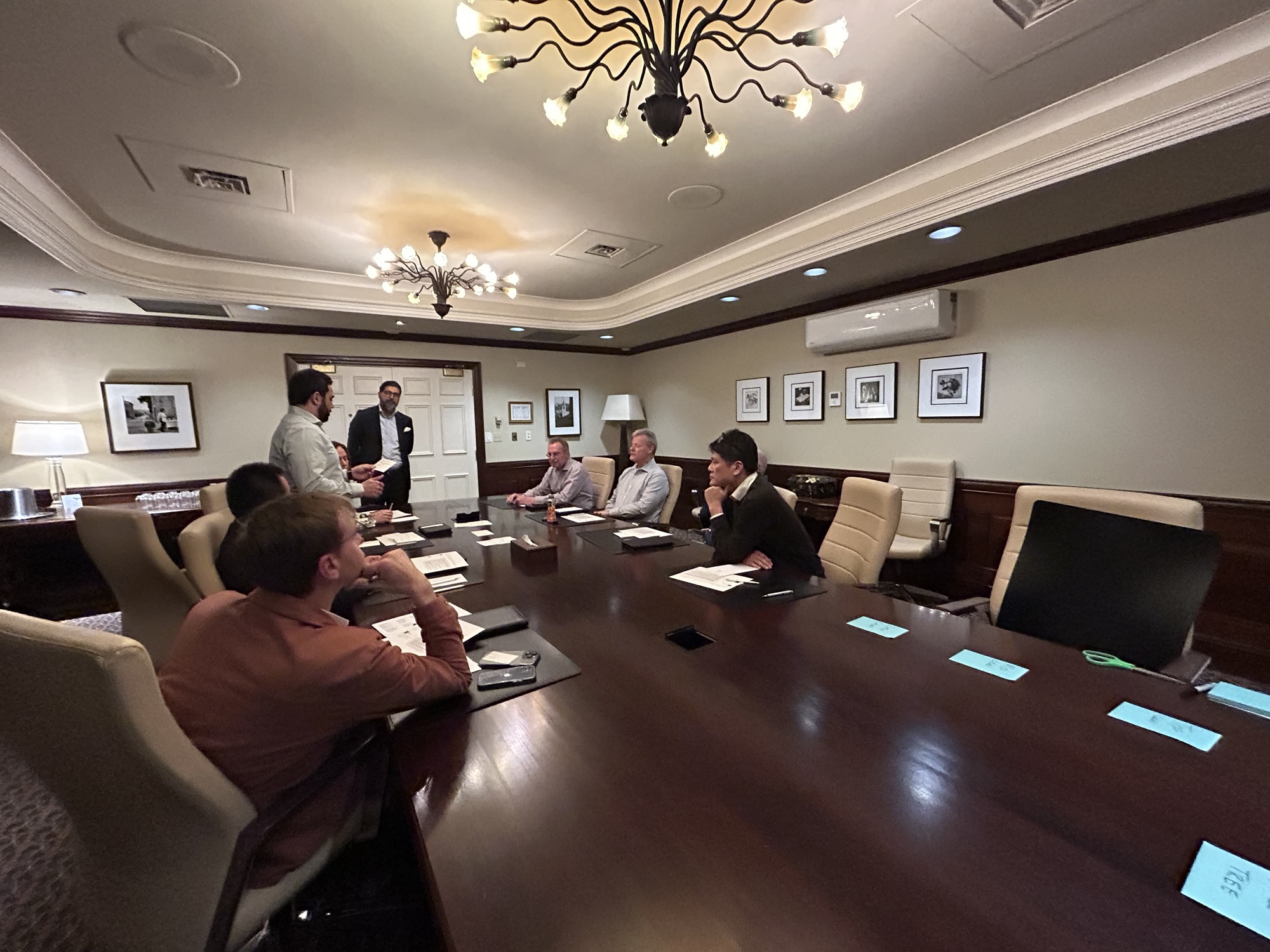
The audience leans in, sensing the shift from routine discussion to something deeper: a collective story is unfolding. People jot notes, nod when metaphors resonate, and ask follow-ups that dig beneath the surface. There’s no idle scrolling or bored glances, just genuine curiosity and a recognition that meaning is being built, not just delivered.
Momentum in organizations is rarely the product of grand pronouncements. It’s crafted by the thousand small choices that middle managers make, translating vision into daily practice. The energy in this room is palpable, an attentive crowd taking ownership of their own narrative, eager to find themselves in the stories being told.
Omar In Crisis, Create Signal
In my world, crisis is inevitable. I read incident logs like a historian and watch for timelines that tell the truth behind the adrenaline. After the dust settles, I search for the signal, does communication clarify, or does it scatter into noise?
Let me compare two outages:
– One manager sent a dozen conflicting emails in two hours, spawning confusion and eroding trust.
– Another paused, gathered facts, issued one clear status update, and held daily briefings until the crisis resolved.
The difference? One team burned trust, the other built it, in the same window.
After crisis, I run a replay: Can the team tell a common story of “who did what, when, and why”? If so, leadership embedded clarity. If everyone says “we were in the dark,” it’s just luck if things worked out.
In a supply chain disruption, we unified our comms: one update per shift, one central forum for questions. Downtime dropped by 50%. Threat became trust, simply because we forged a single signal in the storm.
Audits track the frequency and accuracy of updates; chaos blooms in noise. For middle managers, making signal is the practice of cohesion under pressure.
Example: After a crisis in our logistics center, the team recounted events in perfect sync. It proved we led effectively, everyone knew what was happening.
Questions for you:
– In your last crisis, did messages clarify or multiply confusion?
– How do you create a single forum for updates when speed matters most?
– When the adrenaline fades, can your team replay the event and agree on what happened?
Yusuf Joy Is a Performance Indicator
Joy is not fluffy, it’s data. I walk the floor like a coach, counting celebrations and listening for laughter. My pulse surveys focus on energy, not just satisfaction. If people linger after meetings to riff on ideas, that’s a win. If everyone bolts to escape, that’s a warning.
Rituals matter. Our Friday games aren’t frivolous, they’re scaffolding for resilience. High turnover among top performers is the earliest flare that joy has gone missing. Leaders who celebrate only big wins teach teams to hide small ones. I watch for micro-win recognition; the best teams ritualize celebration, so energy becomes habitual.
In one burnout-prone unit, I normalized shout-outs and huddles. Retention soared by 20%. Joy fuels resilience, and it’s a key metric for every manager.
Energy is measured through engagement scores tied to output, not just opinion. When joy is present, teams hold together even when the work turns “feral.”
Example: Our “Monday Mugshots”, a ritual where teams share personal wins, made engagement spike, with people volunteering for stretch assignments.
Questions for you:
– How do you celebrate small wins on your team?
– What do your retention numbers say about joy in your workplace?
– When was the last time laughter built trust in your unit?
An Engaged Audience
Throughout each presentation, the audience is riveted. Managers nod as they recognize themselves in the dilemmas described. Questions spark lively exchange: What rituals can reinforce inclusion? How does storytelling transform skepticism into curiosity? Debate flows; examples are dissected for real-world applicability. The crowd listens, not just to reply, but to absorb, reflect, and connect.
Participants give real-time feedback, sharing stories from their own teams about moments when crisis bred cohesion or quiet voices led. The energy is one of attentive learning, eager for answers that blend both insight and practicality.
Key Learnings: Principles for the Middle
The gathering closes with a summary of lessons learned, practical wisdom for middle managers in pursuit of excellence.
– Storytelling Disarms Resistance: Teams retain and act on messages embedded in narrative, and strategy only survives when it becomes part of collective memory.
– Inclusion Must Be Engineered: Diversity in participation leads to strong solutions; intentional rituals give every mind a space to contribute.
– Clarity Is Currency in Crisis: Trust is built not by noise but by unified, timely updates. Teams thrive when they replay crises in synchrony, not confusion.
– Joy Predicts Sustainability: Metrics of joy, celebrations, laughter, micro-wins, are leading indicators of retention and resilience.
– Attention Spans Are Earned: Engaged audiences respond to relevant stories, honest questions, and practical examples.
To support these principles, middle managers must continually audit their culture, celebrate small victories, unify their narratives, and turn diversity into momentum. Their craft is the connective tissue of any thriving organization. The real prize in the middle is not just managing processes but shaping the culture where ambition and compassion meet, forging legacy in the mouths and memories of those who follow.
Noah! Over to you. What are your learnings?
MB
Leave a Reply